Take photos of the water, the damage and any repairs before work begins, and keep receipts. Insurers and flood programs handle claims differently, so ask yours what counts. Call the number on this page to be connected with a local mold company in Cleburne.
Quick check after the water recedes
- Soft or swollen baseboards
- Carpet that stays damp underfoot
- Stains rising up drywall from the floor
- Fogged or wet insulation in the attic
- Musty smell near doors and vents
Several together suggest more than surface damp, so do not wait for the smell to fade on its own.
Garage doors and thresholds
Garages are the common entry point for runoff. Water pools at the apron, slips under the door seal and spreads along the slab into attached rooms. Stored boxes and cabinets along the wall soak it up and become the first place mold shows. Boxes and shelves soak it up fast.
Comparing quotes on equal terms
A good quote lists rooms, materials, equipment and the method for drying. If one number is far below the others, find out what it leaves out. Ask each company how it would handle the same wall, the same carpet and the same attic section. Ask for the full scope.
Local details for Cleburne
Anyone hired to assess or remediate 25 contiguous square feet or more of mold in Texas needs a TDLR mold license, and the number can be checked on the agency's license search.
Texas generally doesn't let the same company assess and remediate the same project, so the protocol, the cleanup and the clearance check come from different businesses.
If the job grows into replacing drywall, cabinets or framing, ask whether the rebuild needs a permit from Cleburne's Building Inspections Division.
If storm runoff or creek water got inside, FEMA's flood map service and your insurer can tell you how the address is zoned.
Nearby, the same kind of help is available in Keene, Joshua and Alvarado.
The usual order of work
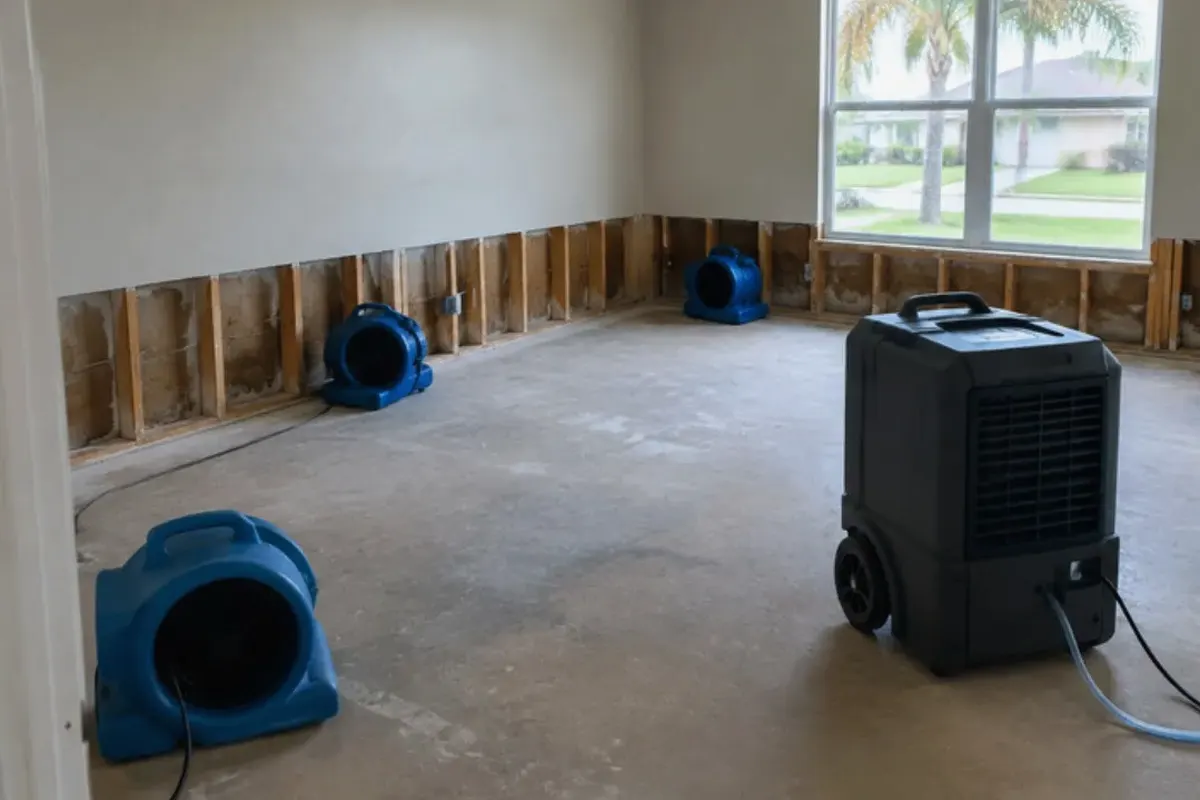
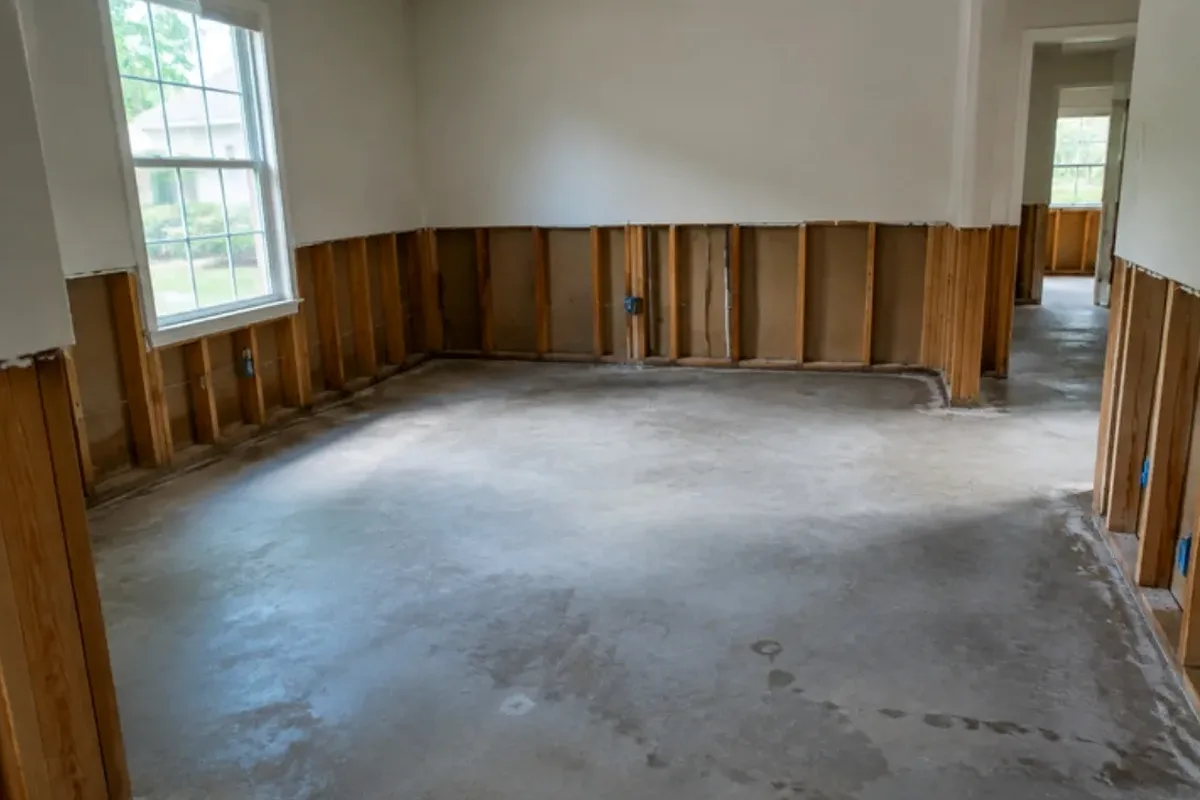
Standing water is removed, then ruined carpet, pad and wet drywall are cut out and bagged. Remaining surfaces are cleaned and vacuumed with HEPA filters, and fans and dehumidifiers dry the structure. Readings confirm dryness before anyone starts rebuilding. Moisture readings confirm the result at the end.
Do not seal the house up wet
Closing windows and running only the AC after a flood can trap humidity. EPA suggests indoor humidity below about 60 percent, ideally 30 to 50. Use a dehumidifier, move air with fans and check readings with an inexpensive hygrometer. Run the unit until readings stay steady.
Storm & Flood Mold Removal questions in Cleburne
How soon can mold grow after a flood in Cleburne?
Does homeowners insurance cover flood mold?
Does bleach kill mold after a flood?
Does Texas require a mold license?
More mold services in Cleburne
Storm & Flood Mold Removal nearby
Helpful guides
Sources
Last updated: