A mold inspection is a walkthrough by a mold assessor who looks for visible growth, checks moisture, and decides whether sampling makes sense. In Texas the assessor writes the remediation protocol but generally cannot also do the removal. Call the number on this page to be connected with a local mold company in Fort Worth.
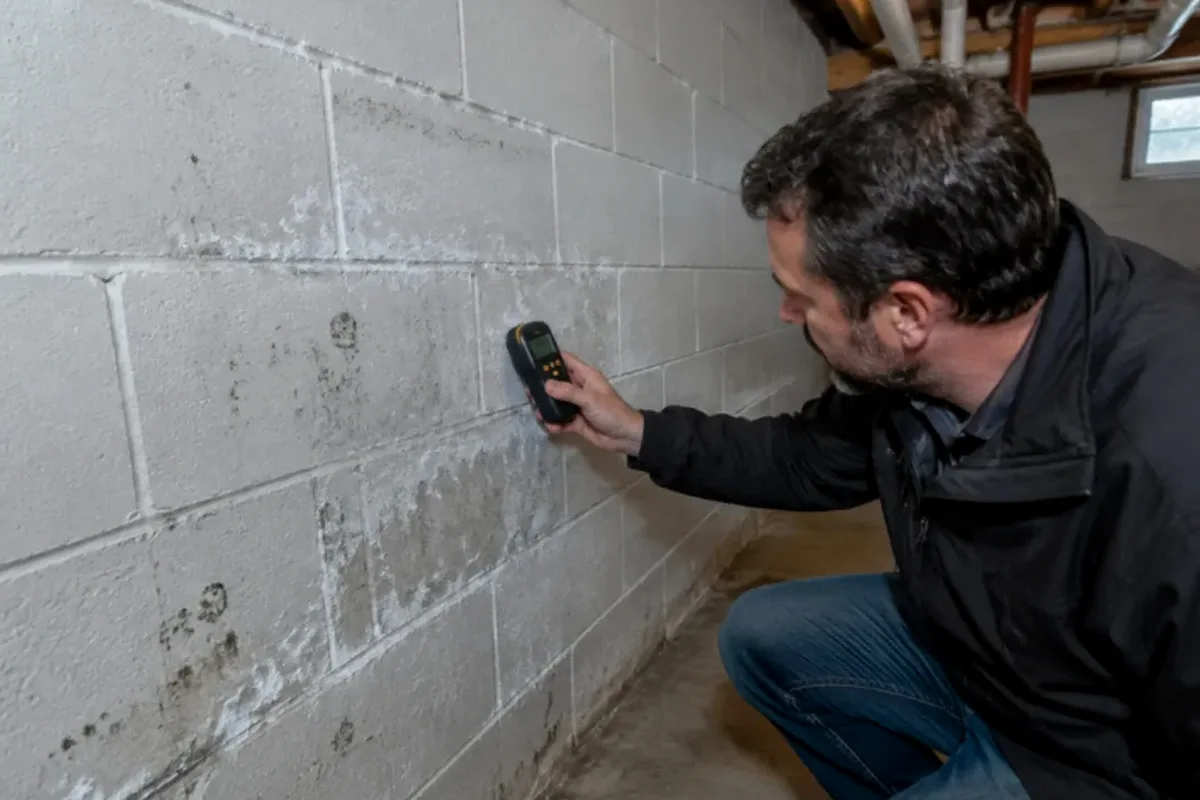
What an inspection is
An inspection answers three questions: is there mold, where is it coming from, and how big is the problem. The assessor looks over the home, checks suspect areas with a moisture meter, and may take samples when growth is hidden or the picture is unclear. The result is a written report, and if remediation is needed, a protocol for it.
When to schedule one
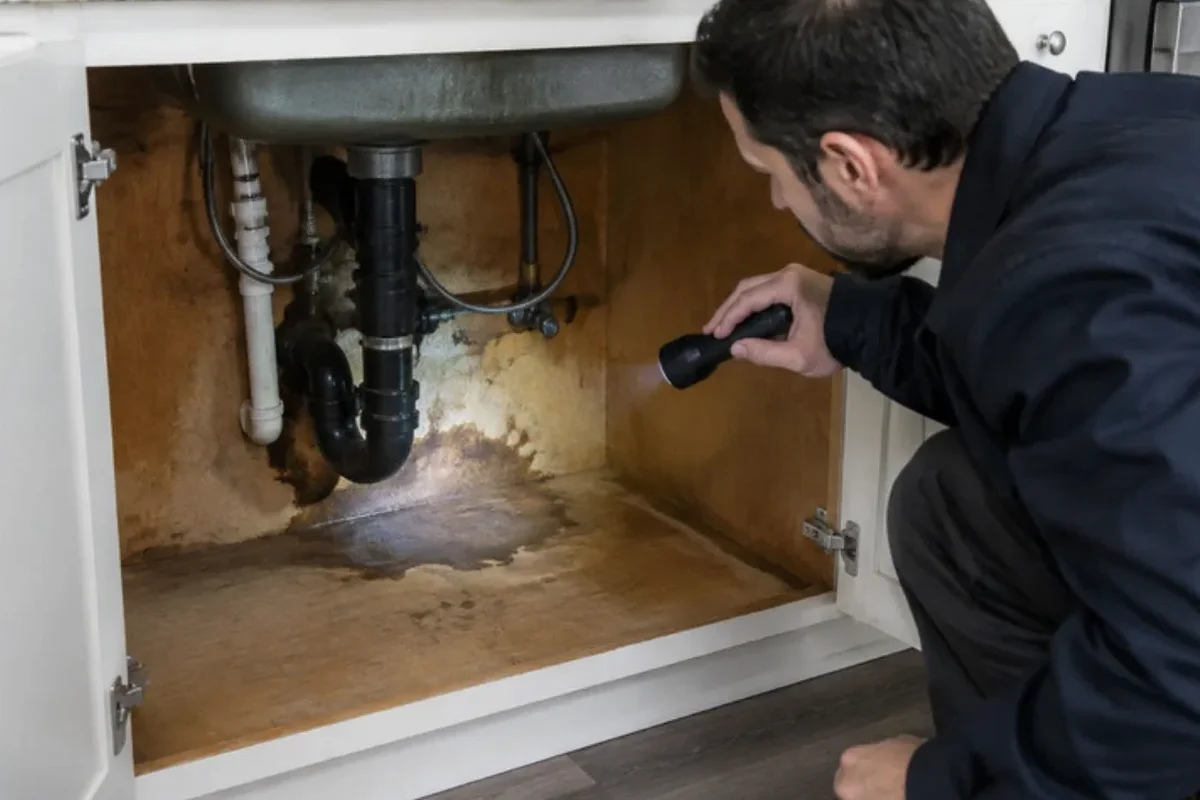
Good reasons include a musty odor with no visible source, a past leak or roof problem, water stains on ceilings, and a home purchase where you want a closer look. EPA notes that when visible mold is present, sampling is unnecessary in most cases, so an inspection earns its keep mostly when the cause or extent is unknown. Texas homes often hide trouble around air handlers in hot attics, under sinks, and behind walls on the side that catches storm rain.
What happens during the visit
- The assessor asks about leaks, past water events and where you notice odors.
- They inspect visible areas, attics, closets, and the air handler and its drain line.
- They take moisture readings and, if warranted, samples for a lab.
- You receive a written report, and a protocol if remediation follows.
Plan on giving the assessor access to attics, closets and any room with a past leak, and share dates and repair records if you have them. Fort Worth homes with older ductwork or a roof patched after hail often show a clear moisture pattern that speeds up the visit.
The Texas separation rule
TDLR states that a person is generally not allowed to do both mold assessment and mold remediation on the same project. That keeps the person who finds the problem from profiting from the fix. The assessor should hold a TDLR assessment license, which you can confirm with the Verify a License search, and must give you the Consumer Mold Information Sheet before starting. Once the protocol exists, the next step is mold removal and remediation, and afterward a post-remediation assessment by a different consultant.
What it costs
National figures put a mold inspection at about $300 to $650 per job, covering a visual check, moisture readings, sampling if suspected, and a written report. Fort Worth pricing was not available for this service, so treat that as a rough guide and ask for a written quote. Lab sampling is covered on the mold testing page.
Mold Removal Fort Worth is a free referral service, not a mold company, and the companies you reach are independent.
Mold Inspection questions from Fort Worth homeowners
How much does a mold inspection cost?
Can the inspector also remove the mold?
Is an inspection needed if I can see mold?
How do I check an assessor in Texas?
Related mold services in Fort Worth
Helpful guides
Mold Inspection in nearby cities and towns
Tarrant County
Dallas County
Denton County
Johnson County
Parker County
Ellis County
Wise County
Hood County
Sources
Last updated: