Mold behind drywall often shows up as a musty smell, stains or bubbling paint before anything is visible. The wall has to be opened and the moisture source fixed, and larger areas call for a remediation company holding a TDLR mold license. Call the number on this page to be connected with a local mold company in Fort Worth.
How mold gets into Fort Worth walls
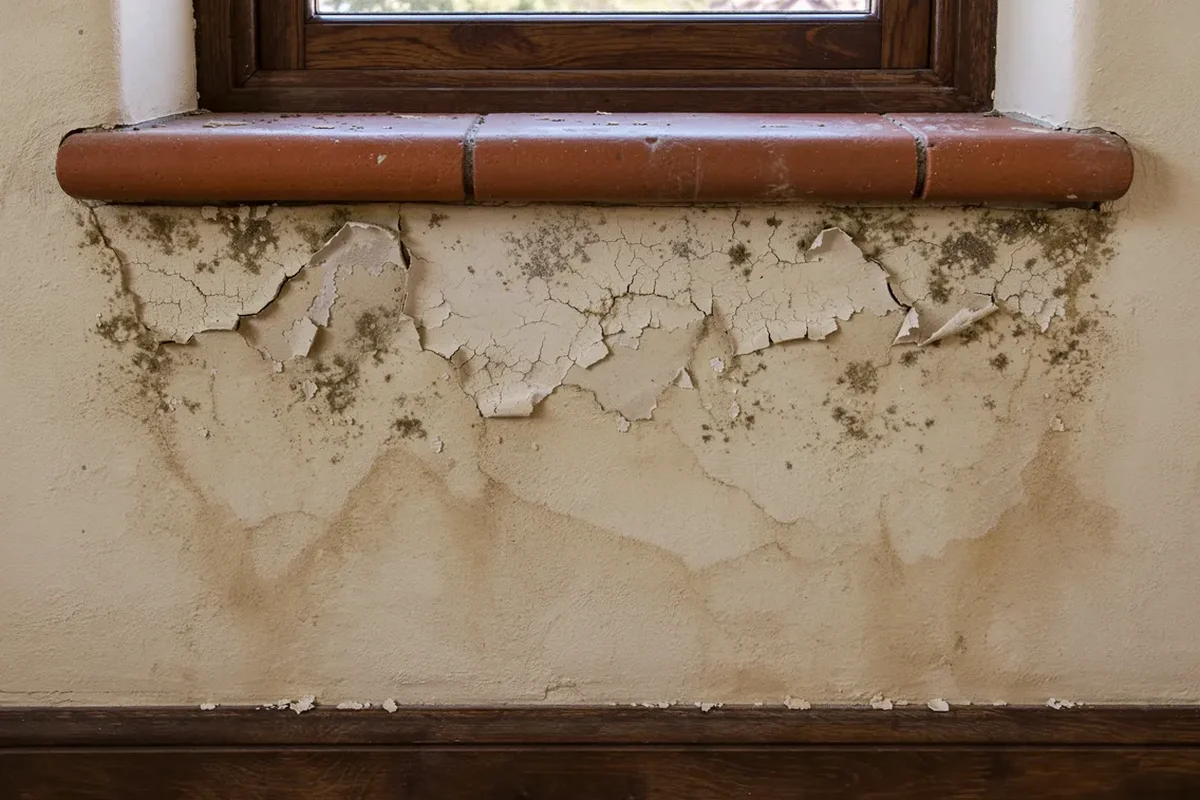
Most wall mold starts with a leak or a humidity problem that has gone unnoticed. Common causes include a slow plumbing leak, a failed window seal, a roof or flashing leak running down inside the wall, sweating supply lines and a burst pipe after one of North Texas's occasional hard freezes. Brick veneer homes on slab foundations can hold water behind the cladding, and expansive clay soil that shifts the foundation can open cracks for moisture to enter.
Clues that something is inside the wall
- A persistent musty odor with no visible source
- Peeling or bubbling paint, or soft drywall
- Discoloration near baseboards, outlets or window corners
- A moisture meter reading that stays high after the surface dries
What happens during the work
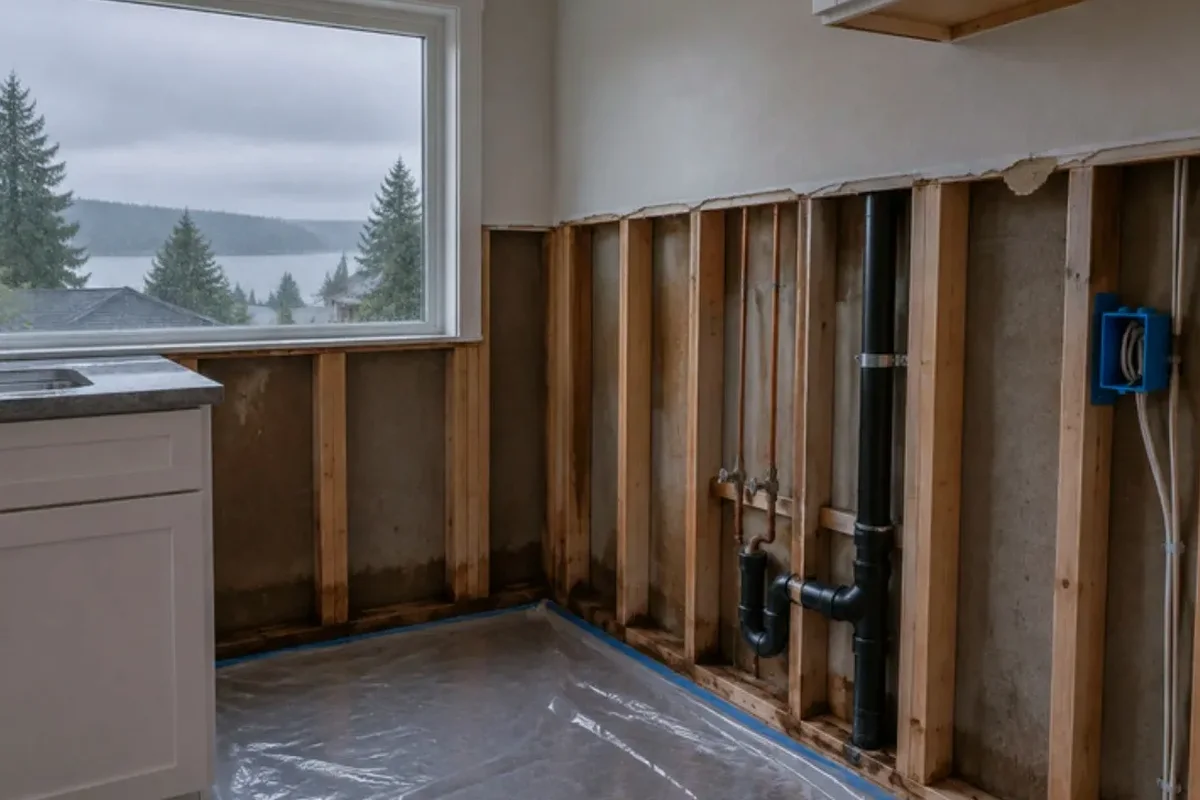
An assessor can use moisture readings and, where warranted, sampling to map how far the problem goes. EPA says that if visible mold is present, sampling is usually unnecessary, so a visual and moisture-based assessment is often enough. Remediation then typically means containing the area, cutting out and discarding affected drywall and insulation, cleaning or drying framing, and repairing the leak before any rebuild. Rebuilding drywall and paint is usually a separate trade from the remediation itself. If the source was a burst pipe, see water damage mold.
Cost and licensing
A Fort Worth cost guide lists mold remediation at $9 to $18 per square foot of affected area, and another Fort Worth page gives $1,500 to $6,000 for a typical whole job. These are published estimates, not quotes, and wall work that involves plumbing repair or rebuilding adds cost beyond remediation.
Texas requires a mold remediation license for projects over 25 contiguous square feet, and a license holder must give the property owner the Consumer Mold Information Sheet before work begins. TDLR also says the same person generally cannot assess and remediate the same project, so expect two separate companies. A mold testing visit or a full mold inspection can come first. Verify any company on the TDLR license search.
Renters should know that Texas Property Code 92.052 sets a landlord's repair duty for conditions affecting health or safety once notice is given, so tell the landlord in writing.
Because wall cavities are closed, guessing is risky: opening the wrong spot misses the problem, and opening too much makes a bigger repair than needed. Ask any company how it will limit the opening and protect the rest of the home from dust.
Mold in Walls questions from Fort Worth homeowners
How can I tell if there is mold inside a wall?
Do I have to tear out the whole wall?
Can I paint over mold on a wall?
Who tells me the job is finished?
Related mold services in Fort Worth
Helpful guides
Mold in Walls in nearby cities and towns
Tarrant County
Dallas County
Denton County
Johnson County
Parker County
Ellis County
Wise County
Hood County
Sources
Last updated: