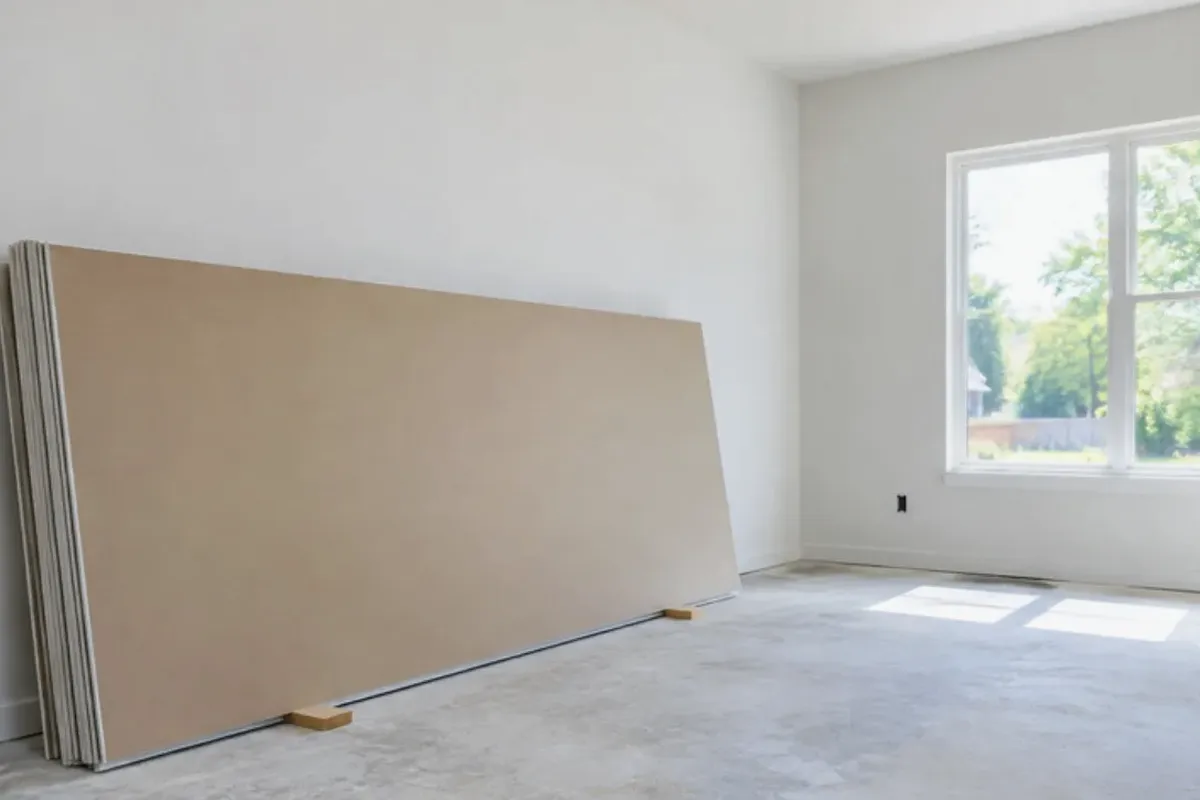
Do the check before drywall, cabinets or flooring go back, because opening finished walls to recheck a problem costs far more than a pause. Wait for the passed report first. Call the number on this page to be connected with a local mold company in Bedford.
Clearance versus an inspection
An ordinary mold inspection asks whether there is a problem. Clearance asks whether the specific problem identified in the protocol was resolved. The second question is narrower, tied to the original findings and the remediator's work plan, and usually quicker to answer than a full inspection.
Why dust matters here
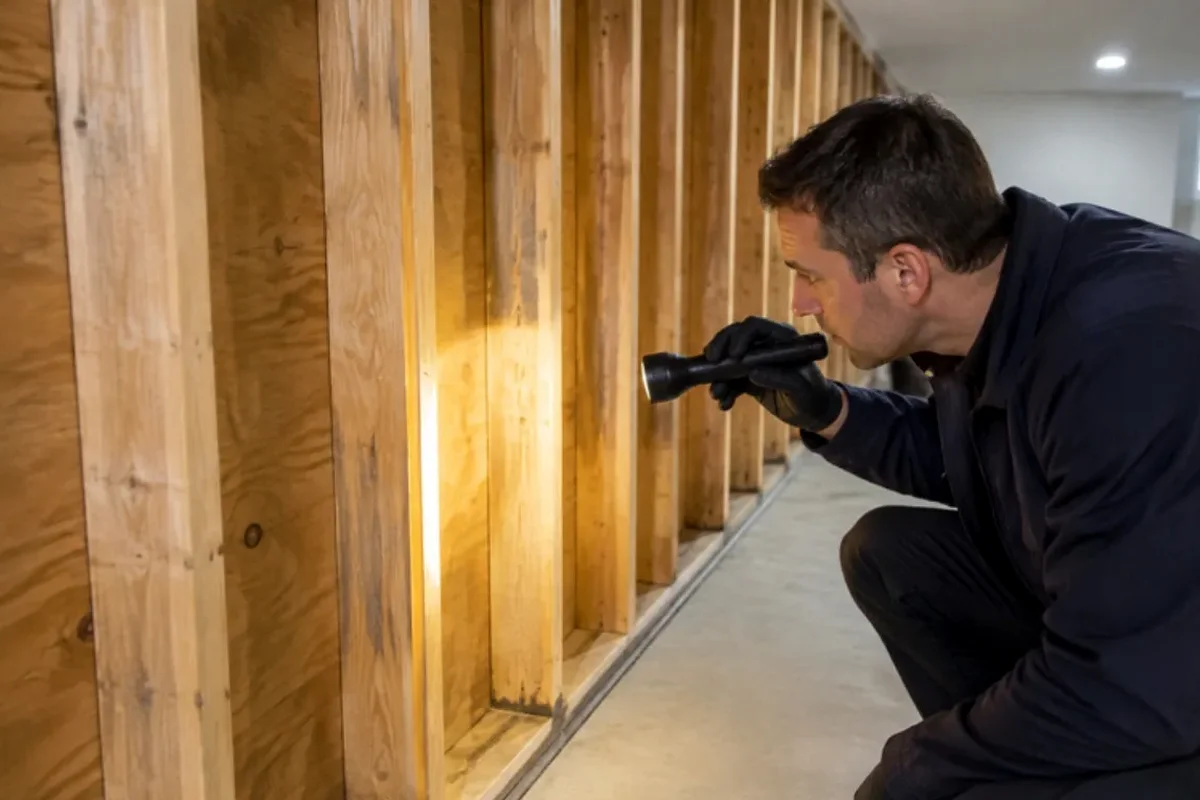
Mold work stirs up fine dust, and leftover dust is one of the things a final review looks for. HEPA vacuuming and damp wiping usually handle it well. A surface that still feels gritty or looks dusty can fail even when nothing appears to be growing.
Before work starts in Bedford
Texas licenses mold assessment consultants and mold remediation contractors through TDLR. Ask which credential the company holds and confirm it on TDLR's search.
Under TDLR rules, the assessor writes the remediation protocol, the remediator follows it with its own work plan, and a separate assessor handles the post-remediation check.
Rebuild work after the mold comes out, such as new drywall or framing, may need a permit; Bedford's Building Inspections office is the office for Bedford addresses.
For flood zone questions after a heavy North Texas storm, FEMA's flood maps and your insurance agent can confirm the mapped zone for an address.
Calls from Bedford are often matched with companies that also cover Hurst, Euless and Colleyville.
Re-checks and what they add
A failed first look means the remediator redoes the flagged areas at its own expense under many contracts, and the assessor returns for another visit. Ask in advance how a return visit is billed so a second pass does not catch you completely off guard.
Questions to ask the assessor
Confirm they hold a TDLR mold license, which you can verify on TDLR's search. Ask what the protocol's criteria are, how many samples they will take, which lab they use and when the written report arrives. Also confirm they have no connection to the remediator.
If clearance fails
A fail is information, not a disaster. The assessor identifies which spots or readings fell short, and the remediator redoes those areas. Then the assessor returns. Repeat until it finally passes. Common causes are leftover dust, damp framing or a moisture source that was not fully corrected.
Post-Remediation Clearance Testing questions in Bedford
What is post-remediation clearance testing?
What is the Certificate of Mold Damage Remediation?
What does a clearance visit include?
Do I need clearance for a small cleanup?
More mold services in Bedford
Post-Remediation Clearance Testing nearby
Helpful guides
Sources
Last updated: