Cost depends on the area cleaned, how many samples the protocol calls for, lab turnaround and whether a second visit is needed. A company can quote after learning the size and layout of the work. Call the number on this page to be connected with a local mold company in Flower Mound.
Clearance versus an inspection
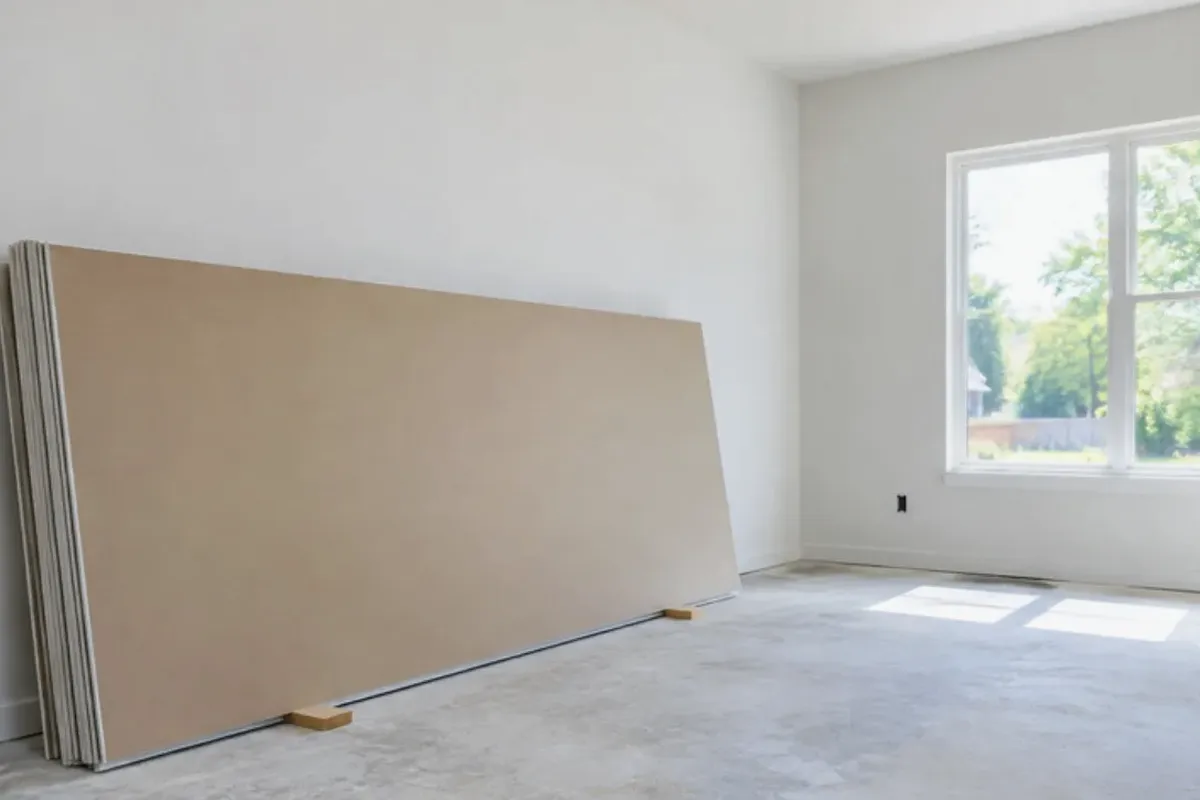
An ordinary mold inspection asks whether there is a problem. Clearance asks whether the specific problem identified in the protocol was resolved. The second question is narrower, tied to the original findings and the remediator's work plan, and usually quicker to answer than a full inspection.
Moisture readings
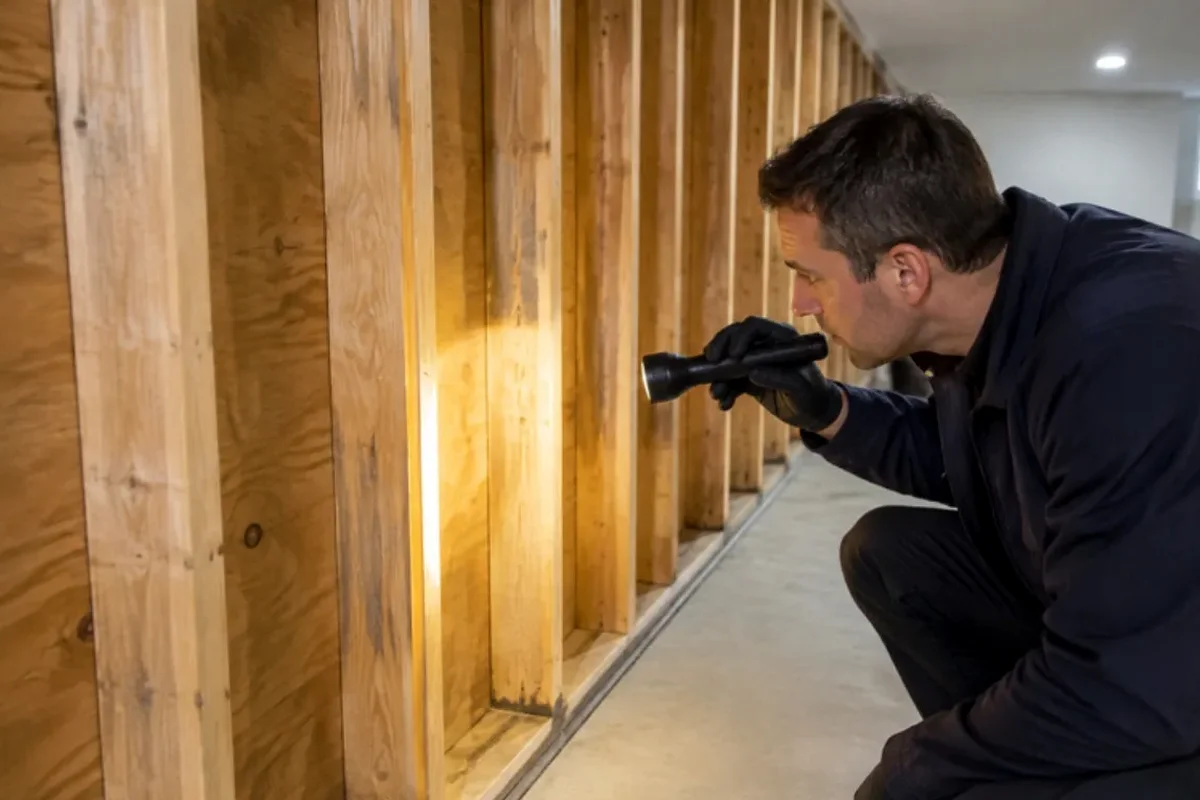
Mold needs water, so a meter reading the framing, subfloor or slab matters as much as the eyes do. Materials that still read wet suggest the source was not fully solved. Expect the assessor to record readings in each area of concern. Wet readings usually send the project back to drying.
Newer 1990s construction in Flower Mound usually means open floor plans and two stories, so assessors confirm containment covered the full cavity before the readings are taken.
Close to the water, damp ground and morning moisture can slow drying, and the assessor may confirm lower walls and slab edges have dried before rebuilding starts.
Sample count and lab speed
Each air or surface sample adds lab handling, and faster turnaround costs more than the standard few days. If a closing date or a rebuild crew is waiting, mention it. Planning ahead usually beats paying for rush handling at the very last minute when dates are tight.
Getting ready for clearance day
- Finish removal, cleaning and drying.
- Keep containment in place.
- Have the protocol and work plan on hand.
- Make sure power is on for equipment.
- Keep the area undisturbed until the assessor arrives.
Having these ready lets the assessor start promptly and keeps the whole visit short.
Who handles what in Flower Mound
A TDLR mold license is required for paid assessment or remediation of larger areas in Texas. TDLR also takes complaints about mold license holders if something goes wrong.
Once a regulated project passes clearance, Texas law calls for a Certificate of Mold Damage Remediation, a document worth keeping with your home and insurance records.
Flower Mound's Building Inspections office handles building permits here, so that's the place to check before walls, cabinets or flooring go back in.
For flood zone questions after a heavy North Texas storm, FEMA's flood maps and your insurance agent can confirm the mapped zone for an address.
Calls from Flower Mound are often matched with companies that also cover Lewisville, Southlake and Grapevine.
Think of it as the last step
The sequence is find the water, write the protocol, remediate with a separate company, then clear the project. Clearance closes that loop. Skipping any piece leaves the house without proof that the original problem was resolved. Call to talk through where your project stands.
More about Flower Mound
Calls come in from across Flower Mound, including around FM 2499 (Long Prairie Road), FM 1171, Lakeside Parkway.
Post-Remediation Clearance Testing questions in Flower Mound
What is post-remediation clearance testing?
When should clearance be done?
What does a clearance visit include?
Is the assessor the same one who wrote the protocol?
More mold services in Flower Mound
Post-Remediation Clearance Testing nearby
Helpful guides
Sources
Last updated: