Small areas under about 10 square feet are often something a homeowner can clean, per EPA. Beyond that, or when the cause is unknown, bringing in a remediation company is the safer call. Call the number on this page to be connected with a local mold company in Grand Prairie.
Quick guide: clean or call
| What you see | Likely path |
|---|---|
| Surface specks on tile or glass | Clean and ventilate |
| Growth on drywall, wide area | Remediation company |
| Wet flooring, odor, no visible mold | Inspection first |
| Water sat for days | Assessor soon, then plan removal |
Storm season effects
Spring storms bring wind-driven rain, hail and flash flooding. Water gets past damaged roofing and sagging gutters, then runs down inside walls. If drying lags, remediation is often needed for a ceiling, an insulation run or a section of drywall.
Homes near the lake shore or creek bottoms deal with damper air and a higher water table, so crews here pay extra attention to slab edges, garages and low exterior walls.
Permits and license checks in Grand Prairie
Anyone hired to assess or remediate 25 contiguous square feet or more of mold in Texas needs a TDLR mold license, and the number can be checked on the agency's license search.
Once a regulated project passes clearance, Texas law calls for a Certificate of Mold Damage Remediation, a document worth keeping with your home and insurance records.
Remediation itself is cleanup, but putting the room back together can be permitted work; ask the contractor whether Grand Prairie's Building Inspections Division needs to be involved.
Water that came in from outside raises insurance questions; FEMA's flood map search shows whether the property sits in a mapped flood zone.
Companies that take calls here usually also work in Arlington, Duncanville and Euless.
Removal versus cleaning
Cleaning a hard surface takes less labor than tearing out and bagging wet drywall or insulation. Quotes reflect that difference, so a job that can be saved by cleaning costs less than one where whole wall sections have to come out and be replaced.
Paperwork you should end up with
Expect the assessor's protocol, the company's work plan, clearance results and, after a pass, a Certificate of Mold Damage Remediation. You should also receive TDLR's Consumer Mold Information Sheet. File everything with your home records for the next sale.
Do not do these things
- Paint or caulk over mold
- Pour bleach on porous drywall
- Run a fan that blows spores around the house
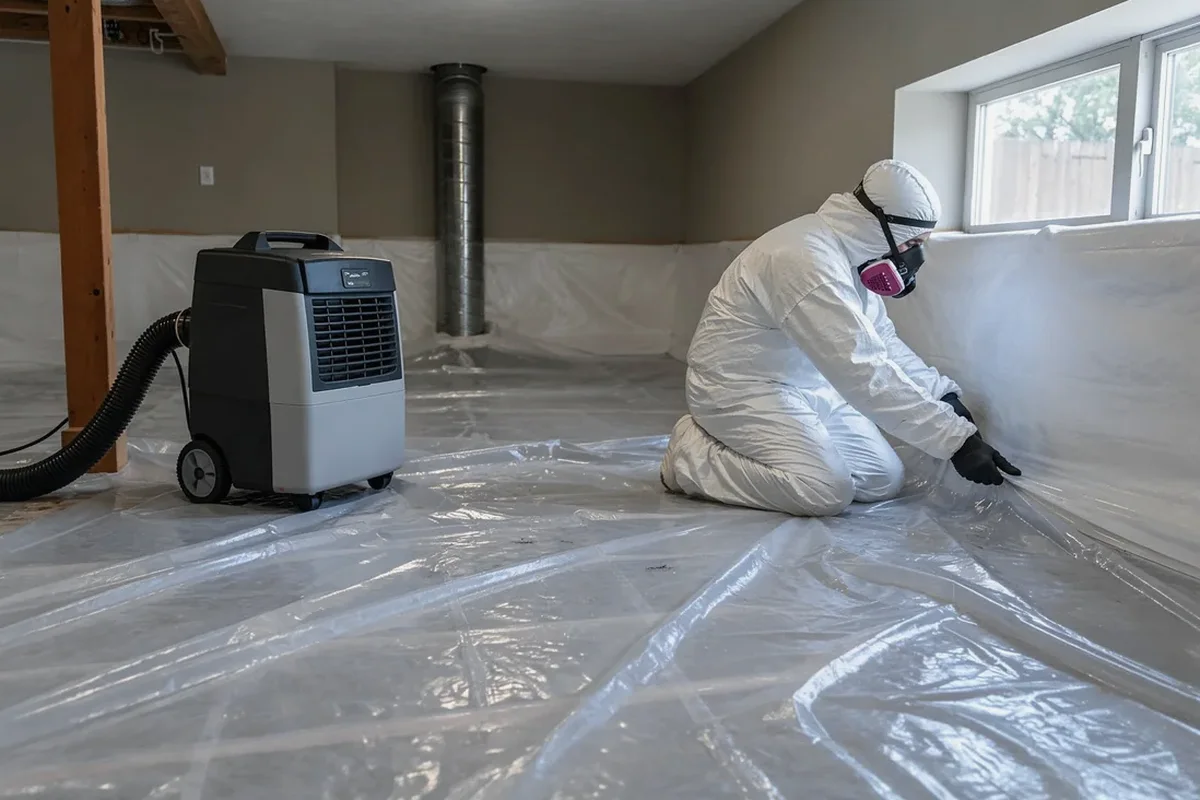
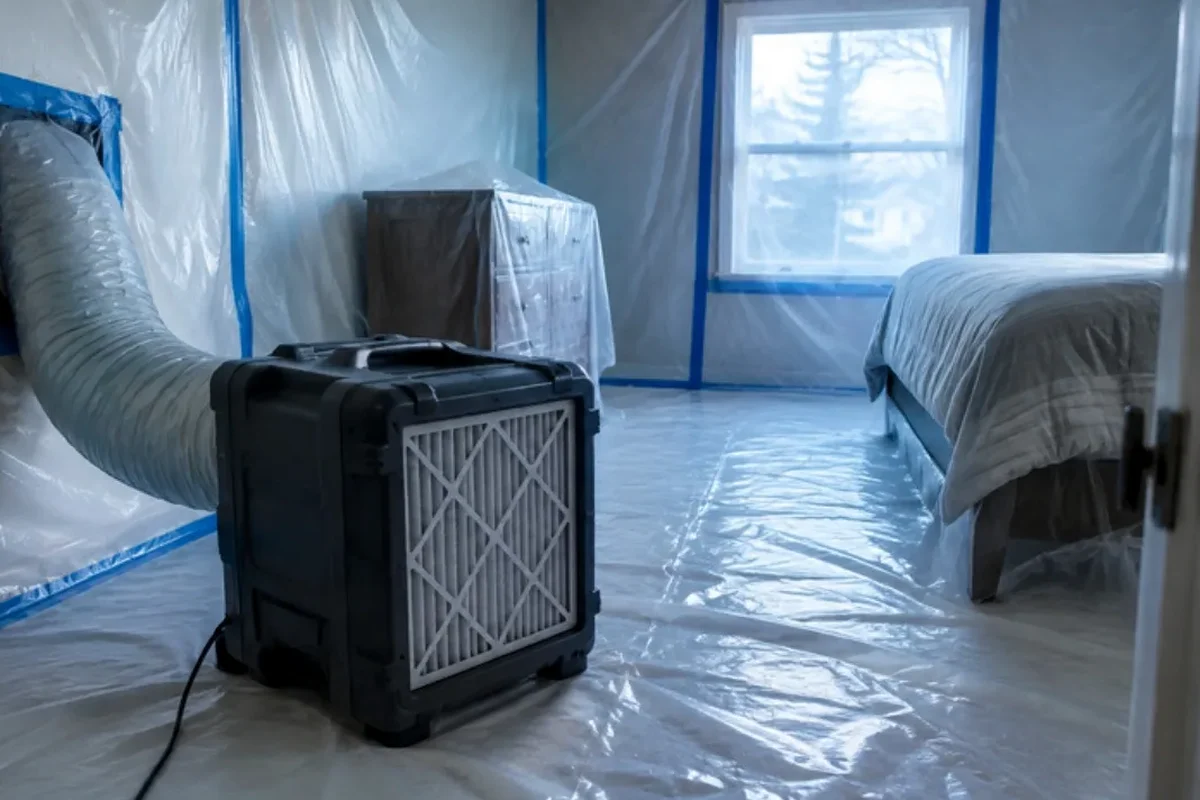
- Rip out drywall without barriers
- Store wet boxes in a closet
EPA does not generally recommend biocides for routine cleanup.
Around Grand Prairie
Calls come in from across Grand Prairie, including around Downtown Grand Prairie, Dalworth Park, Lynn Creek Park.
Joe Pool Lake, Mountain Creek Lake and the West Fork Trinity River floodplain are all large floodplain areas within or beside Grand Prairie.
Mold Removal & Remediation questions in Grand Prairie
What is mold remediation?
How is remediation different from a mold inspection?
Do I need to leave my house during removal?
Will insurance cover mold removal?
More mold services in Grand Prairie
Mold Removal & Remediation nearby
Helpful guides
Sources
Last updated: