Spraying bleach or painting over mold does not solve the problem, and EPA does not generally recommend biocides for routine cleanup. Removal of the growth and the moisture is what counts. Call the number on this page to be connected with a local mold company in Rhome.
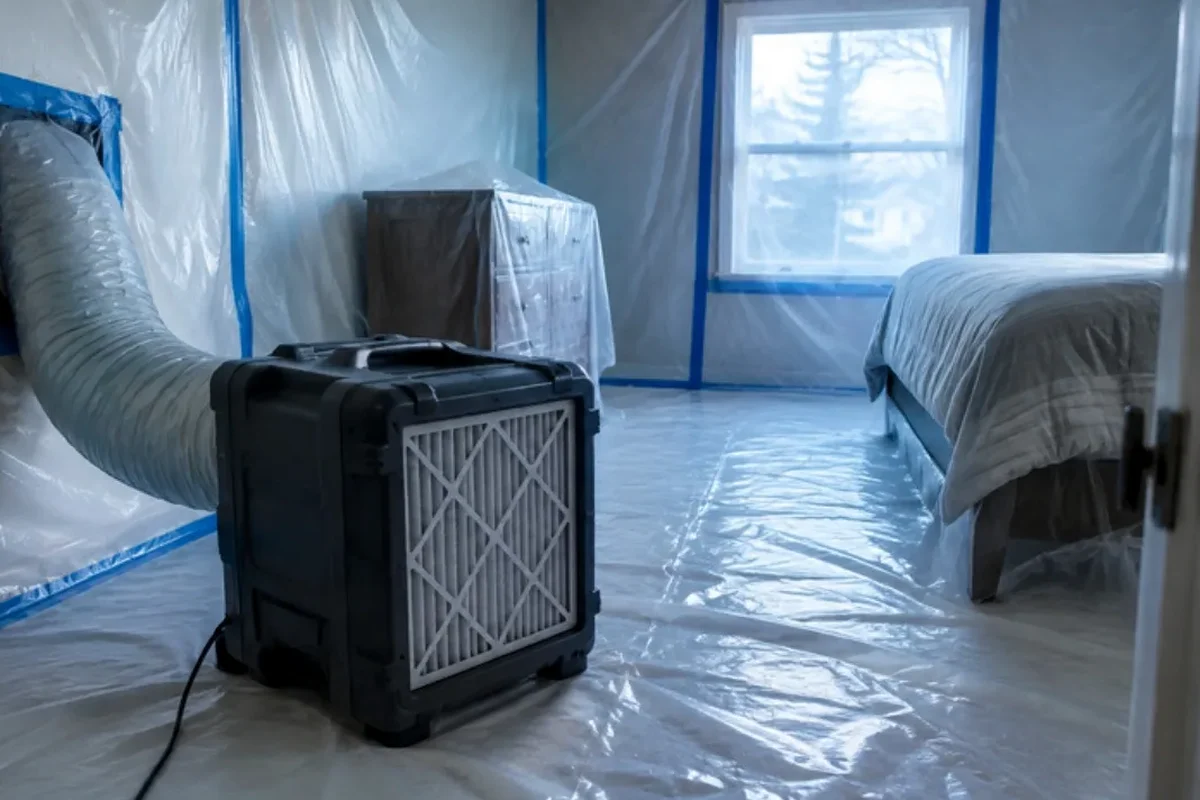
Hidden growth behind finishes
Mold often sits behind cabinets, under vinyl flooring, above ceiling tiles or inside the wall where a plumbing line runs. Telltale hints are cupping boards, a persistent odor, or a stain that spreads slowly outward from one point and darkens after humid weather or a heavy rain.
Older houses, hidden history
Pier-and-beam homes can have damp crawl spaces, and older ranch houses may hide decades of patch repairs behind paint. Past leaks, original windows and worn roofs leave materials that hold moisture, so remediation often opens up more than a single stain suggests.
Large lots and older outbuildings are common here, so a mold job may involve a barn, a well house or a detached garage alongside the main house.
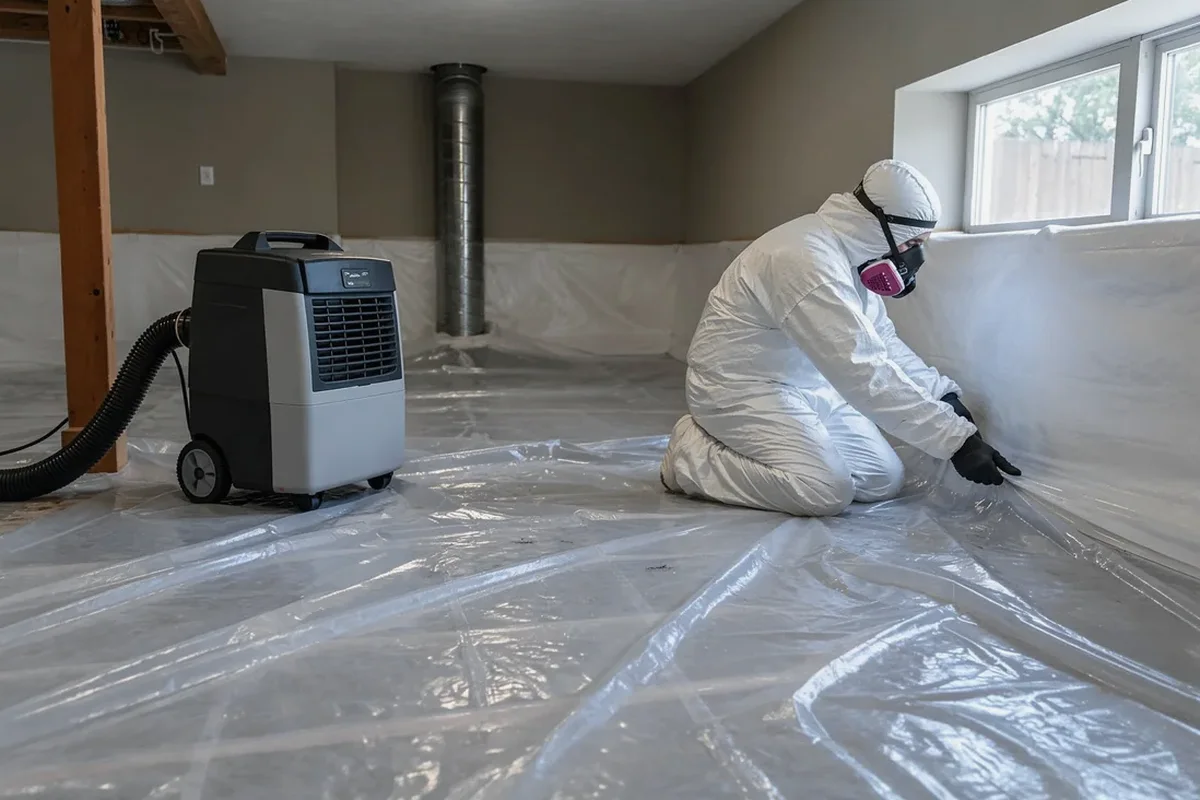
Removal versus cleaning
Cleaning a hard surface takes less labor than tearing out and bagging wet drywall or insulation. Quotes reflect that difference, so a job that can be saved by cleaning costs less than one where whole wall sections have to come out and be replaced.
How a job usually runs
An assessor writes a protocol, then the remediation company sets up containment, runs HEPA air filtration, removes damaged material, cleans surfaces and dries the area. A separate assessor then checks the result. Each step has a purpose, and none is skipped on a proper job, no matter how small the area looks from the doorway.
When delay costs more
Every extra wet week gives growth more drywall, more insulation and more framing to colonize. Calling early often limits removal to one wall section instead of a whole room, and it shortens the rebuild that follows. The faster the call, the smaller the bill tends to be.
Useful local contacts for Rhome
Anyone hired to assess or remediate 25 contiguous square feet or more of mold in Texas needs a TDLR mold license, and the number can be checked on the agency's license search.
Under TDLR rules, the assessor writes the remediation protocol, the remediator follows it with its own work plan, and a separate assessor handles the post-remediation check.
Remediation itself is cleanup, but putting the room back together can be permitted work; ask the contractor whether Rhome Permitting Department needs to be involved.
For flood zone questions after a heavy North Texas storm, FEMA's flood maps and your insurance agent can confirm the mapped zone for an address.
Calls from Rhome are often matched with companies that also cover Azle, Boyd and Justin.
Mold Removal & Remediation questions in Rhome
What is mold remediation?
How is remediation different from a mold inspection?
What is a Certificate of Mold Damage Remediation?
How do I keep mold from returning?
More mold services in Rhome
Mold Removal & Remediation nearby
Helpful guides
Sources
Last updated: